

To the best of our knowledge, all content is accurate as of the date posted, though offers contained herein may no longer be available. The opinions expressed are the author’s alone and have not been provided, approved or otherwise endorsed by our advertisers. Explore “I Am Not Resistant” and learn strategies to overcome addiction and embrace a transformative journey. Discover essential things to consider before reconciling with family for lasting healing and understanding.
How Much Does Sober Living Cost?
Sober living houses are often used as a transitional step for people who have completed an inpatient treatment program and are not yet ready to return to everyday living. Living in a sober living house provides a structured, drug-free environment with house rules and guidelines to help residents maintain their sobriety and develop life skills to support their recovery. Sober living houses typically have house managers who oversee daily operations and enforce house rules. This may involve attending outpatient therapy sessions or engaging with peer support group meetings. Residents will also be expected to share household chores and responsibilities.
Inpatient Treatment
How long you stay depends on the sober-living facility and your progress in recovery. Some sober-living facilities are only offered for as long as you are in the treatment program. For others, you can remain in a sober-living environment after treatment is completed. Our mission is to foster long-term sobriety by creating a supportive environment where house members participate in each other’s recovery. We alcoholism encourage everyone to reinforce positive lifestyle changes through adventure, support, and peer feedback. However, there are mixed-gender homes and homes that specifically cater to LGBTQ+ people.
How to Prevent Relapse During the Holidays
- You can also look into Oxford Houses, which provide all recovering users the opportunity to develop comfortable sobriety without relapse.
- Life skills training is another critical component, equipping residents with essential abilities such as cooking, budgeting, and job search assistance.
- A minimum stay of three months is recommended, but many benefit from a longer stay for sustained sobriety.
- We encourage everyone to reinforce positive lifestyle changes through adventure, support, and peer feedback.
The rules of sober homes are integral to ensuring the environment remains conducive to residents’ recovery. Rehabilitation centers, also known as treatment centers, are institutions that provide therapeutic, medical, and holistic treatments that enable you to learn about and tackle your addiction. If you’re looking to stay in a halfway house, it’s only natural to wonder how you’ll pay for it. This depends on the type of insurance you have and the type of facility where you’d like to stay. During a stay in a halfway house, you can expect a fairly regimented schedule and a set of rules and guidelines to follow. While living in a recovery residence, individuals are encouraged to find work, study, or participate in volunteer opportunities.
- Explore options as soon as possible and get the help you need to live a sober, fulfilling life.
- You’ll still attend group meetings and have a support system, but you can come and go out of the home whenever you’d like.
- Without a place to live, many fall deeper into addiction and cycle in and out of emergency departments dozens of times a year, at an enormous cost to health systems and insurers.
- Malcolm-Testaverde is among 108 people with long-term addictions who had the good fortune to participate in a novel experiment in health care — one that illuminates the interdependence between housing and health.
- Most sober living homes are privately run and not government-funded, but financing options may be available.
- Typically, sober living houses aren’t as widely covered by insurance plans as rehabilitation centers.
Headed Home for the Holidays and Staying Clean
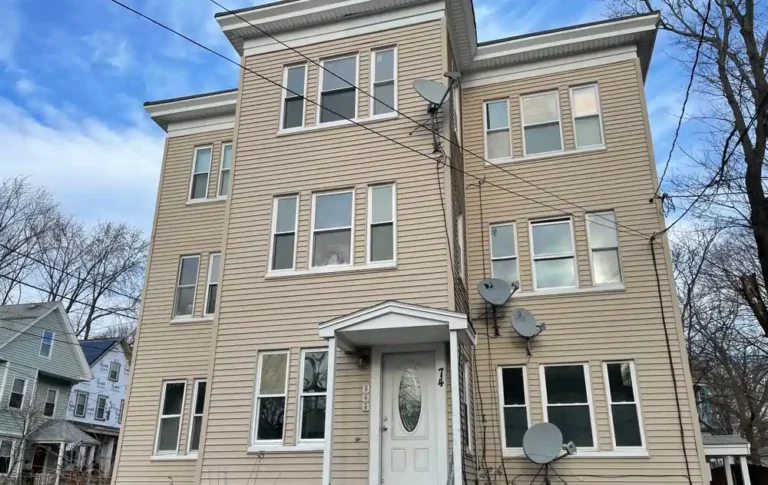
Even so, rent can vary greatly, with some rooms available from $500 up to $900 or more a month. Costs will differ depending on the living https://ecosoberhouse.com/ situation (private vs. shared room), staff pay rates, and, most significantly, the home’s location. This built-in support system allows residents to avoid the isolation of returning home while recovering. It further provides an environment to support recovery from substance abuse for those who are emerging from rehab. Individuals in recovery should feel like they are easing back into everyday life and can start returning to their daily tasks and responsibilities. However, although these residences are less restrictive than inpatient facilities, they still have rules that residents must abide by.
The Attorney General’s Office announced Dix’s financial penalty a day after it created a $6 million grant program to support tribal nations impacted by the sober living home fraud scandal. The Substance Abuse and Mental Health Services Administration (SAMSHA) fully endorses level three sober homes. Sober living homes are places where someone Sober House in recovery can find independence while learning to seek and obtain community resources necessary for long-term recovery. Halfway houses, like other recovery and sober-living houses, are intended to gently reintroduce tenants back into society, free from the pressures and triggers of a potentially dangerous home environment.